
Panchayat

A Panchayat is a collective body of elected representatives constituted to manage the administrative affairs of Panchayati Raj Institutions. As far as a Grama Panchayat is concerned, it is the executive committee responsible for implementing the decisions of the Grama Sabha and managing day-to-day administration.The key components of a Panchayat are:President: The head of the Panchayat. The President chairs the meetings and oversees the overall activities of the Panchayat.Vice President: Performs the duties of the President in their absence.Ward Members: Elected representatives from each ward within the Panchayat.Standing Committees: Committees formed to streamline and facilitate the decision-making process of the Panchayat for specific sectors,...

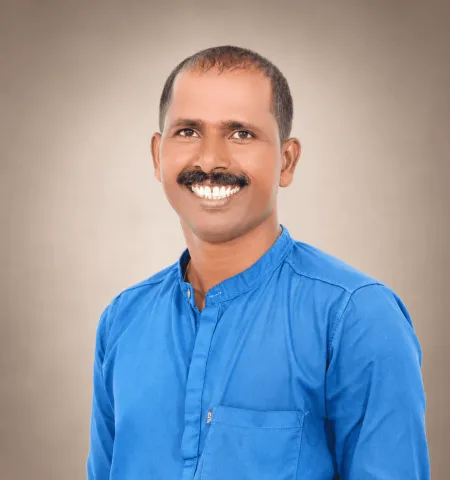
Abdul Nassar

President

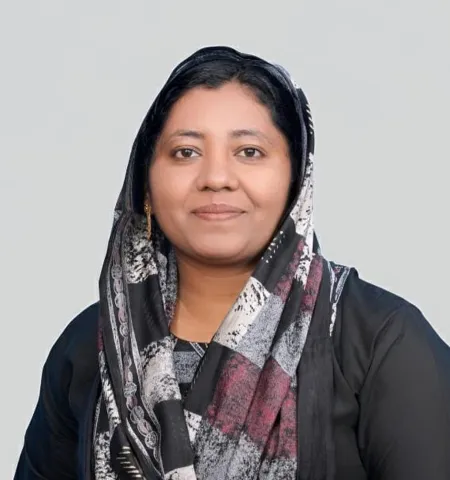
Sudha Anil

Vice President & Chairman Standing Committee for finance

Rajendhran

Chairman, Standing Committee for development

Arisha Salam

Chairperson ,Standing Committee for Welfare

K.V Raman

Chairman, Standing Committee for Health and Education

Aneesh Paul

Secretary, Grama Panchayat

About Us

At a glance

  • 🏛️ Panchayat Name: Pozhuthana Grama Panchayat
  • 📧 Email: pozhuthanagp@gmail.com
  • 🌐 Website: Pozhuthana Grama Panchayat Official Website
  • ☎️ Office Phone: 04936 255251
  • 👨‍💼 President Contact: 9496048340
  • 🗂️ Secretary Contact: 9496048341
  • 🏘️ Villages: Achooranam, Pozhuthana
  • 📍 District: Wayanad
  • 🏢 District Panchayat: Wayanad District Panchayat
  • 🗺️ District Panchayat Division: Pozhuthana
  • 🏛️ Block Panchayat: Kalpetta Block Panchayat
  • 🗺️ Block Panchayat Divisions: Pozhuthana, Vythiri
  • 📐 Total Area: 71.30 sq. km
  • 🗳️ Parliament Constituency: Wayanad
  • 🏛️ Assembly Constituency: Kalpetta

K-SMART App

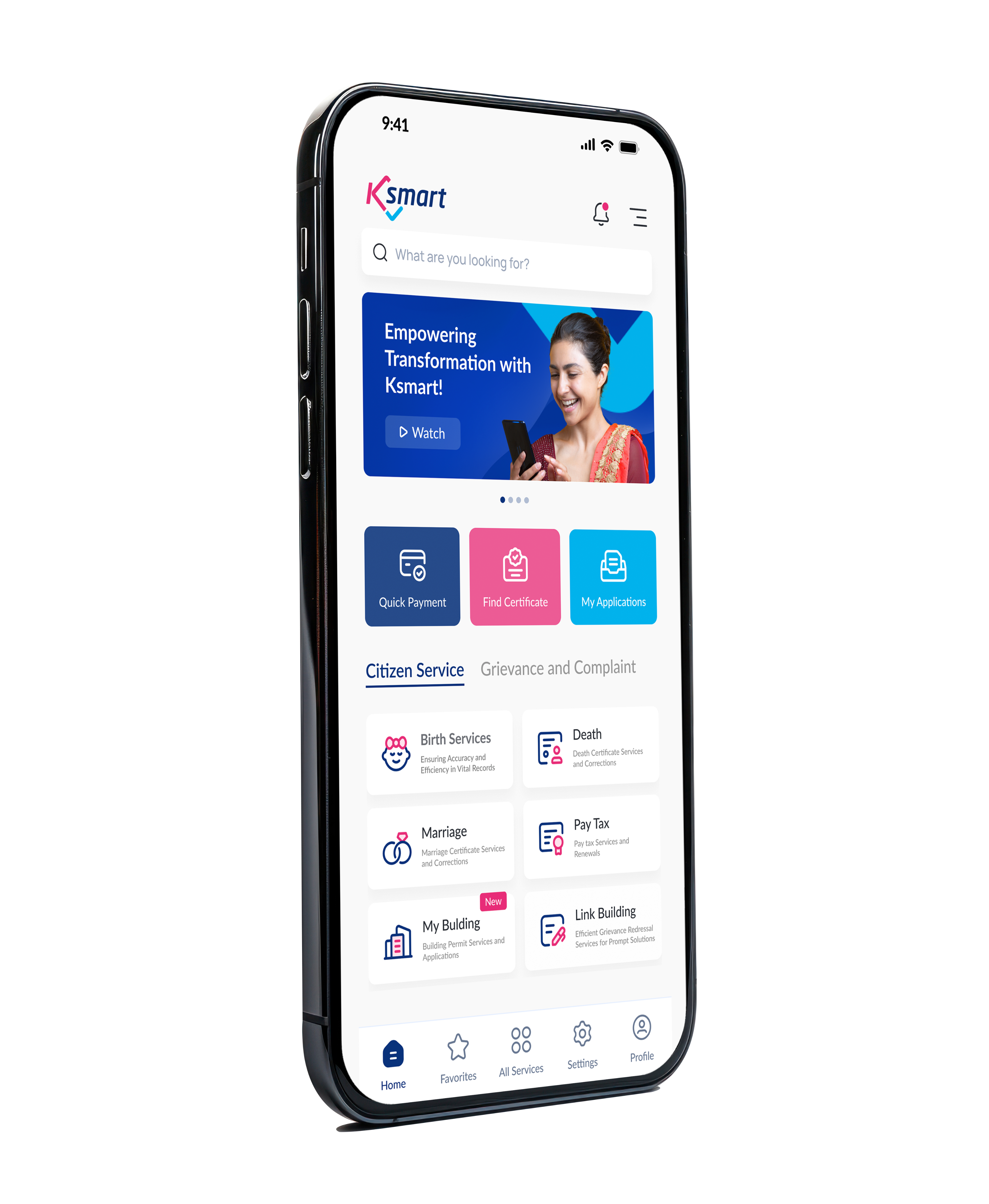
K-SMART - Mobile App

Download Now

decorative icons

History of Pozhuthana Grama Panchayat

The history of Pozhuthana is rooted in its ancient allegiance to the Kottayam royal lineage and later shaped by the military movements of Tipu Sultan, with its very name derived from the local phrase "Evideyum Puzha Thanne" due to its abundant flowing rivers. In the 18th and 19th centuries, massive tracts of forest land were leased out by local feudal families to British companies, transforming the landscape into sprawling tea and coffee estates that drew a diverse workforce, including refugees from the 1921 Malabar Rebellion and laborers from neighboring states. The year 1957 marked a major turning point when the first Kerala Ministry's agrarian reforms, combined with a historic local labor strike, dismantled large landlord estates and decentralized land ownership. Community development accelerated alongside...

Read More